For years, website owners and digital marketers have actively pursued Search Engine Optimization (SEO) to boost their visibility in Search Engine Results Pages (SERPs). Although the specific tactics have evolved, the core objective has stayed consistent: rank as high as possible in organic search results.
However, a new challenge has emerged in recent years—Answer Engine Optimization (AEO). Rather than just targeting traditional search engines, marketers now aim to optimize their content so it appears as a direct answer to user queries in AI-powered platforms like ChatGPT, Google Bard, and Alexa.
So, in this shift, I’ll outline actionable strategies for optimizing content to appear in AI chatbot responses. Additionally, I’ll share valuable insights from digital marketing professionals who are already adapting their approaches to stay ahead in the era of AI-driven search.
What is answer engine optimization?
Answer Engine Optimization (AEO) is a digital marketing approach aimed at making your content easily crawled, understood, and presented as a brief answer directly by AI-driven search features.
It is a development from old SEO (Search Engine Optimization), in which the central focus changes from getting your site to rank highly on a list of links to having your content referenced or presented as the direct, authoritative answer that a user is shown without having to click through to your site.
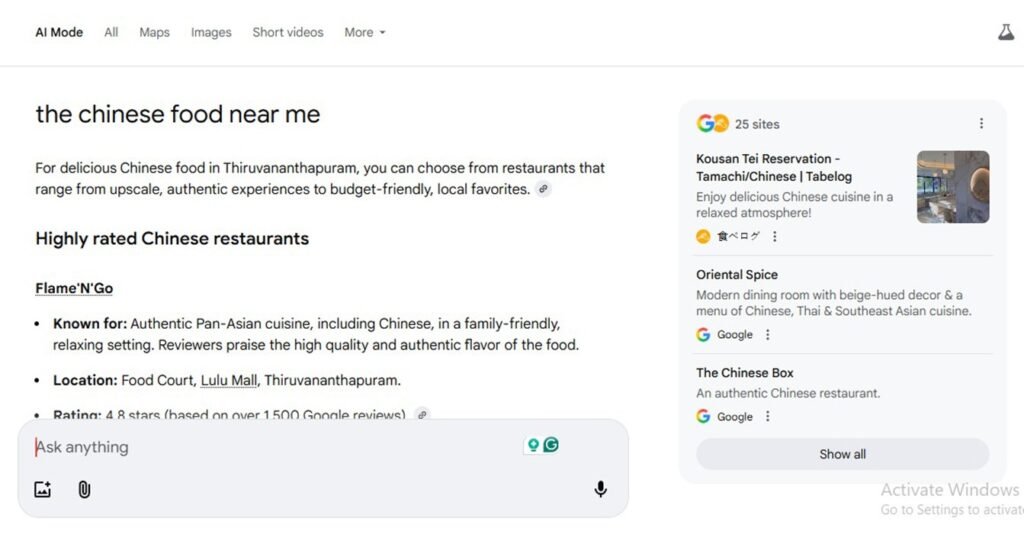
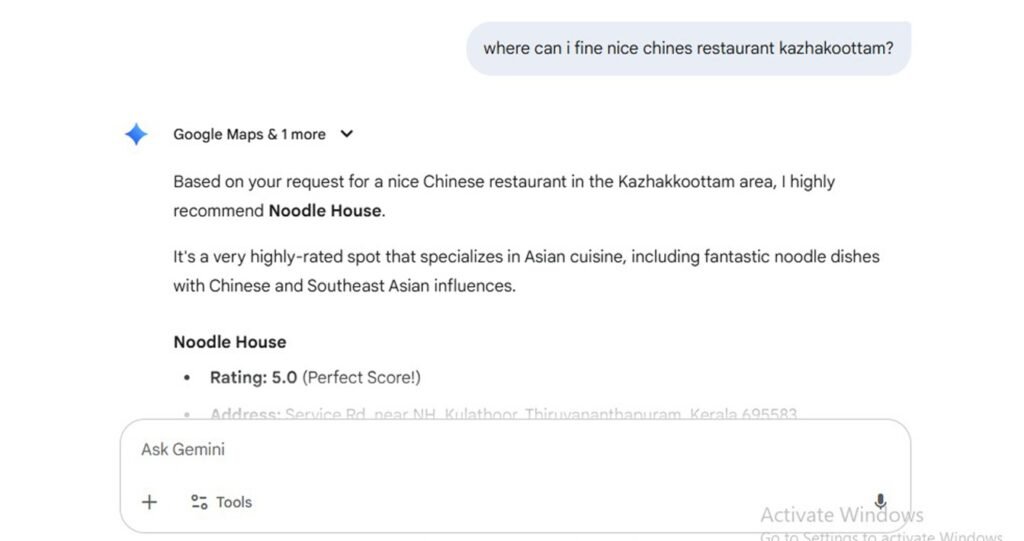
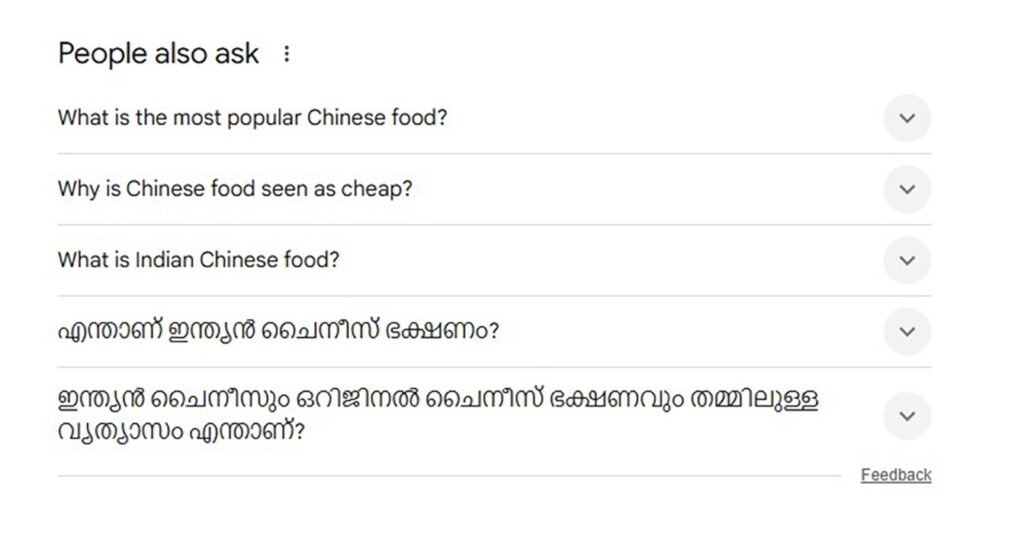
AEO aims for visibility in AI-generated answers such as Google’s AI Overviews, featured answers, “People Also Ask” boxes, and conversational AI platforms (e.g., ChatGPT, Grok). This includes the application of clear language, question-answer structure, schema markup, and authoritative content to raise the odds of being picked as the top answer.
Where is AEO Visible?
AEO targets the “zero-click” answers provided by systems using Artificial Intelligence and Natural Language Processing (NLP). This includes
Featured Snippets:
The prominent summary box at the top of a traditional search results page.
AI Overviews
The generative AI-powered answers found at the top of modern search engines like Google's Search Generative Experience.
Voice Search Results:
The single, spoken answer provided by voice assistants (e.g., Alexa, Siri, Google Assistant).
People Also Ask Boxes:
The expandable question lists on a search results page.
Conversational AI:
Responses generated by Large Language Models (LLMs) like ChatGPT or Perplexity, which often pull information from the web.
How does AEO work?
The core of AEO is providing the best, most structured answer to a user’s question. This is achieved through key strategies
Direct Answers:
Start your content with the clearest, most concise answer to a specific question, typically within the first few sentences.
Question-Based Structure
Use clear headings that are phrased as the exact questions users are asking (e.g., "What are the benefits of Answer Engine Optimization?").
Structured Data:
Use specific code, like FAQPage or HowTo schema, to tag the content on your page. This helps AI systems instantly understand which part of your page is the question and which is the corresponding answer.
Clarity and Scannability
Present information using bullet points, numbered lists, and short paragraphs. AI systems prefer content that is easy to segment and extract.
Authority and Trust:
Ensure the content is highly accurate, fresh, and authoritative. AI tools prioritize sources that demonstrate Experience, Expertise, Authoritativeness, and Trustworthiness (E-E-A-T).
How does it work for our website?
AEO can be implemented on your website by structuring your content to easily to understand easily understood and cited by AI models and search features.
It’s a blend of advanced content strategy and specific technical formatting.
Write for question
Direct Answers Upfront:
For any question you address, state the direct, concise answer 40-60 words immediately in the first paragraph. Use the "inverted pyramid" style.
Question-Based Headings
Structure your content using H2, H3, and H4 tags that are phrased as the exact questions people ask. Example: Instead of "Benefits," use "What are the benefits of AEO?"
Long-Tail & Conversational Keywords:
Focus on the natural, full-sentence questions people use, especially in voice search.
Comprehensive FAQ Sections
Add dedicated FAQ sections to your pages, directly below the main content. This is a prime spot for AEO optimization.
Content Stucture For AI Extraction
AI models prioritize content that’s structured for clarity and scannability. Short paragraphs, bullet points, headings, tables, and explicit question-answer formats make it easier for them to parse, extract, and confidently surface your content as a direct answer. Clean HTML, semantic markup (like FAQ or How-to schema), and logical content hierarchy further signal that your page is a reliable, digestible source, exactly what answer engines look for.
Use Lists and Tables:
Use bullet points and numbered lists for steps, features, or elements. Use tables to compare information or present data. These formats are highly favored for featured snippets.
Concise Paragraphs:
Keep paragraphs short, ideally 2-4 sentences max, so the AI can easily isolate and extract a single idea as an answer.
Define Entities Clearly:
Explicitly define key concepts, people, or places known as "entities" early on. This helps the AI understand the context and relationships in your industry.
Improve Readability:
Use simple language and sentence structures. Aim for an easy reading level, which improves the chances of being used in voice search. (which often uses simple, direct language).
Stuctured Data
Schema markup—also known as structured data—is a standardized vocabulary (often in JSON-LD format) that you embed in your site’s code to explicitly define the meaning of your content for search engines and AI systems. Instead of guessing whether a paragraph describes a recipe, a product review, or a how-to guide, schema tells them outright.
The FAQ page
Explicitly defines a list of question-and-answer pairs on a single page. Crucial for AEO.
How To:
defines a step-by-step process. Ideal for articles like "How to Install a Widget."
Article:
Defines your main content, including the author, publication date, and publisher, boosting E-E-A-T signals.
Review:
Marks up ratings and reviews, which is key information for transactional/commercial queries.
Conclusion
As AI-driven search redefines online discovery, dominating Answer Engine Optimization (AEO) is crucial to remain visible in 2025. Through creating short, question-focused content, taking advantage of structured data, and focusing on authority and clarity, companies can claim top positions in AI-created answers, featured snippets, and voice search results. AEO is not an SEO evolution—it’s a strategic transformation toward providing direct, authoritative answers. Adopt these approaches to make your content succeed in the age of chat-based AI, with our experts, Medowa Global, your best digital partner, fuel engagement, and stay ahead in a rapidly AI-dominated digital world.