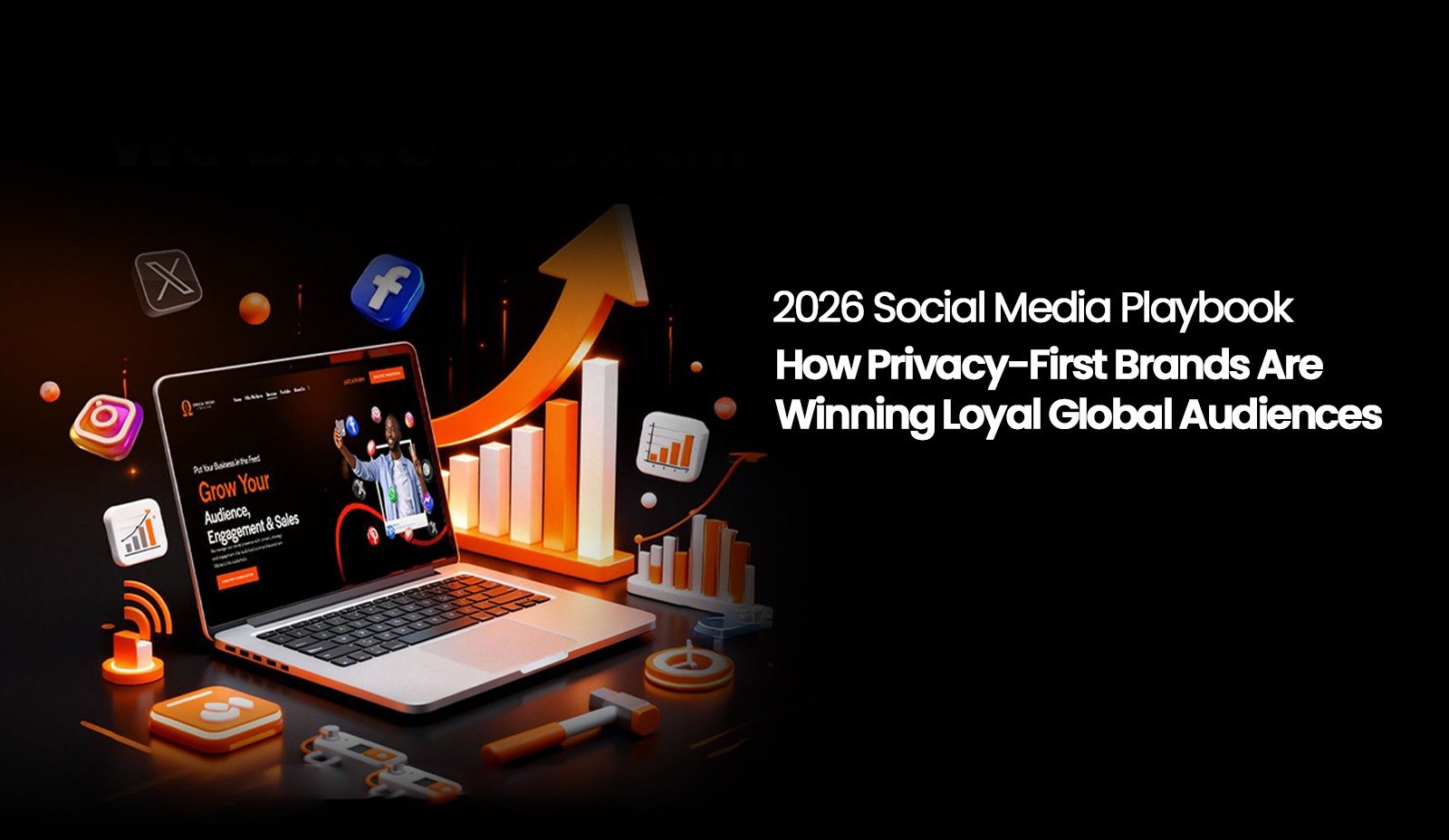
Building a loyal global brand in 2026’s privacy-first era requires a strategic shift toward authentic engagement, first-party data use, and community-focused social media tactics. Brands must prioritize transparency and trust by embracing privacy-compliant data strategies while fostering direct, personalized interactions with their global audience.
Privacy-First Data and Trust Building
The privacy-first environment means brands should shift from third-party tracking to leveraging first-party data ethically. This includes collecting data with clear consumer consent and transparency, utilizing tools such as Google’s Privacy Sandbox and Meta’s Conversion API. Brands that embed privacy and ethical data use into their strategies build stronger customer trust and create sustainable growth opportunities in marketing.
key components of social media marketing
Clear, SMART objectives: Set goals that are Specific, Measurable, Achievable, Relevant, and Time-bound—like boosting Instagram engagement by 15% within Q1.
Deep audience insights: Research your audience’s demographics, behaviors, and preferences to craft content that truly connects.
Focused content strategy: Develop content that reflects both audience interests and your brand’s unique value. Top-performing formats include short-form video, infographics, and user-generated content (UGC).
Defined success metrics: Monitor KPIs such as engagement rate, click-through rate, and conversions to assess performance and guide improvements.
Strategic platform selection: Choose platforms where your target audience is most active—like Instagram for younger users or LinkedIn for B2B outreach.
Core Principles for a Privacy-First Social Media Strategy
Adopt a Consent-First Approach
Always obtain explicit, informed consent before collecting or processing personal data—ensure it’s freely given, specific to each purpose, and easy to withdraw. Never use pre-checked boxes or bundled consents; instead, require clear, affirmative actions and offer granular choices to build compliance and consumer trust.
Communicate Transparently
Clearly explain—in plain language—what data you collect, why you collect it, how you use, retain, and share it. Avoid legal jargon. Deliver accessible privacy notices and preference centers directly within social media touchpoints to differentiate your brand and encourage voluntary data sharing.
Minimize Data and Limit Purpose
Collect only the data you truly need for specific, stated purposes—never hoard or repurpose it without fresh consent. Favor first-party and zero-party data gathered directly from users over third-party sources to reduce risk, comply with privacy laws, and enable precise, respectful personalization.
Build Trust Through Ethical Engagement
Use privacy-respecting strategies—like community-driven content and AI-powered personalization based on zero-party data—to foster authentic social interactions. Brands that consistently apply these principles gain greater loyalty and lower churn, supported by regular compliance reviews to stay relevant.
Key Social Media Tactics for 2026
Master Zero-Party Data Collection
Zero-party data-information the customer willingly and proactively shares-is the “gold standard” of a post-cookie world because it is reliable, compliant, and builds trust.
Interactive Content: Gather preferences using social platforms in an interactive format.
Instagram/Facebook Polls & Q&As: Ask what products, styles, or type of content are your followers’ favorites.
Quizzes and Configurators: This directs users to website quizzes such as “Find your perfect foundation shade” that provide personalized results in return for their email address and preferences.
Giveaways & Contests: Incentivize users to fill out forms with specific interests in exchange for entry into a prize draw.
Value Exchange: Always offer value in return for data, be it through exclusive content, personalized discounts, or early access to new product releases.
Develop Niche, Owned Communities
Loyal micro-communities often outperform large, passive audiences. Owning the relationship via proprietary channels mitigates risk from platform changes.
Private Groups: Create brand-specific communities, either on Facebook Groups or Discord servers, where members can connect around mutual interests.
UGC: Establish formal UGC programs and branded hashtags. Showcase real customers’ stories and reviews in marketing campaigns as a means of developing authenticity.
Employee Advocacy: Encourage employees to share authentic views and behind-the-scenes content on platforms like LinkedIn to humanize the brand.
Harness Emotive Storytelling and Authenticity
In a fragmented market, loyalty is driven by emotional connection and shared values. Brands should behave like media companies, focusing on narrative rather than just product claims.
Purpose-driven narratives create content based on your brand mission, like sustainability, empowerment, or culture, which resonates with global values.
Dominate Short-Form Videos: Continue leveraging authentic, value-first content on TikTok, Instagram Reels, and YouTube Shorts. These formats continue to dominate engagement.
AI Disclosure: Be transparent a bout any use of AI tools creating content. Future regulation may consider this misleading if not disclosed.
Leverage Compliant Interactive Technologies
Integrate technology that enhances user experience on-platform without relying on third-party tracking.
Augmented Reality: Leverage AR filters or virtual try-ons on social media for interactive experiences that help drive confidence in purchases and engagement.
Social Commerce: Reduce friction along the path to purchase by adding shoppable posts and live shopping events, maintaining the customer journey within your owned ecosystem or select partner platforms.
Micro-Influencer Partnerships: Partner with micro-influencers-a range of 5k to 50k followers-for longer-term deals, since niched and engaged audiences have more trust and therefore better conversion rates than mega celebrities.
How frequently can we post on social media
Posting frequency and timing should be tailored to each social platform and how your audience behaves.
Below are the recommended guidelines for 2026:
- Instagram: Aim for 12 high-quality feed posts per week (carousels, reels, or photos) plus 1–2 stories daily.
- LinkedIn: Share 2–5 posts each week.
- TikTok: For best reach, post around 3 times per day, as suggested by the platform’s latest update.
- Facebook: Maintain 1–2 posts per day.
- Twitter (X): Publish 1–5 posts daily.
Posting during peak activity hours can significantly boost reach and engagement. Use your platform insights and analytics to identify when your audience is most active.
Authentic and Human-Centric Content
Showcase Real People Behind Your Brand
Spotlight real team members—share their wins, quirks, and passions through candid photos or quick videos. Let a developer demo a feature from their messy desk or have support staff take over Stories for live Q&As.
Reveal Behind-the-Scenes Magic
Show the unfiltered reality: chaotic brainstorming sessions, late-night coffee runs, or the joyful chaos when something finally works. Imperfect moments build emotional connections.
Highlight Creative Processes in Real Time
Post real-time glimpses of the process—design debates, scrapped drafts, or failed meme tests. Let followers feel like insiders who witness the struggle and celebrate the wins.
Speak Like a Friend, Not a Brochure
Ditch corporate speak. Use casual language, emojis, and humor. Spark real chats with fun questions, and reply to comments like a friendly, engaged human—not a bot.
Direct Community Engagement in Private Spaces
With public feeds becoming crowded, private community channels like WhatsApp Channels, Discord groups, and Telegram are key to building loyal audiences. Brands can use these spaces to deliver exclusive value—such as sneak previews or insider tips—and focus on short, meaningful interactions that boost retention and engagement. Measuring community engagement rather than just follower counts will indicate true loyalty.
Lead Generation: Attract High-Quality Prospects Strategically
Leverage Platforms Where Customers Actively Seek Insights
Target professionals on LinkedIn, industry-specific forums, Reddit communities, and niche newsletters where decision-makers research solutions. Publish thought-leadership content (whitepapers, case studies, webinars) that establishes authority and naturally draws in your ideal audience.
Create and Distribute Educational Gated Content
Develop high-value resources such as in-depth guides, templates, checklists, and research reports. Gate them behind simple lead-capture forms to exchange knowledge for contact information. Promote these assets aggressively through organic posts, guest articles, and co-marketing partnerships.
Deploy Precision-Targeted Advertising
Run highly segmented ads on LinkedIn, Google, YouTube, and meta-platforms using lookalike audiences, job-title targeting, firmographics, and intent signals. Combine compelling offers (free audits, trials, or exclusive reports) with clear calls-to-action that drive immediate conversions.
Nurture Leads Immediately and Systematically
Trigger automated welcome sequences the moment a lead converts. Deliver additional value through drip email campaigns, retargeting ads, and personalized outreach from sales teams to move prospects quickly through the funnel.
Customer Retention: Build Lifelong Advocates
Deliver Hyper-Personalized Messaging
Use behavioral data, purchase history, and preference settings to send tailored recommendations, exclusive offers, and relevant content. Customers feel recognized and valued when communications speak directly to their specific needs and past interactions.
Launch Robust Loyalty and Rewards Programs
Implement tiered loyalty systems that reward repeat purchases, referrals, and engagement with points, discounts, early access, or VIP experiences. Make redemption seamless and celebrate milestones to reinforce positive behavior.
Engage Promptly and Proactively
Respond to inquiries, reviews, and support tickets within minutes, not hours. Proactively reach out after purchases with helpful tips, check-ins, and upsell opportunities timed to the customer’s journey stage.
Cultivate an Active, Inclusive Community
Build private groups, host virtual and in-person events, feature customer stories, and encourage user-generated content. Strong communities create emotional attachment, increase lifetime value, and turn customers into vocal brand advocates.
Respect Privacy While Staying Connected
Operate transparently with clear opt-in policies, easy preference centers, and strict data protection. In a privacy-first world, customers reward brands that earn trust rather than exploit data, resulting in higher retention and permission-based growth.