ChatGPT Ads Self-Serve Buying
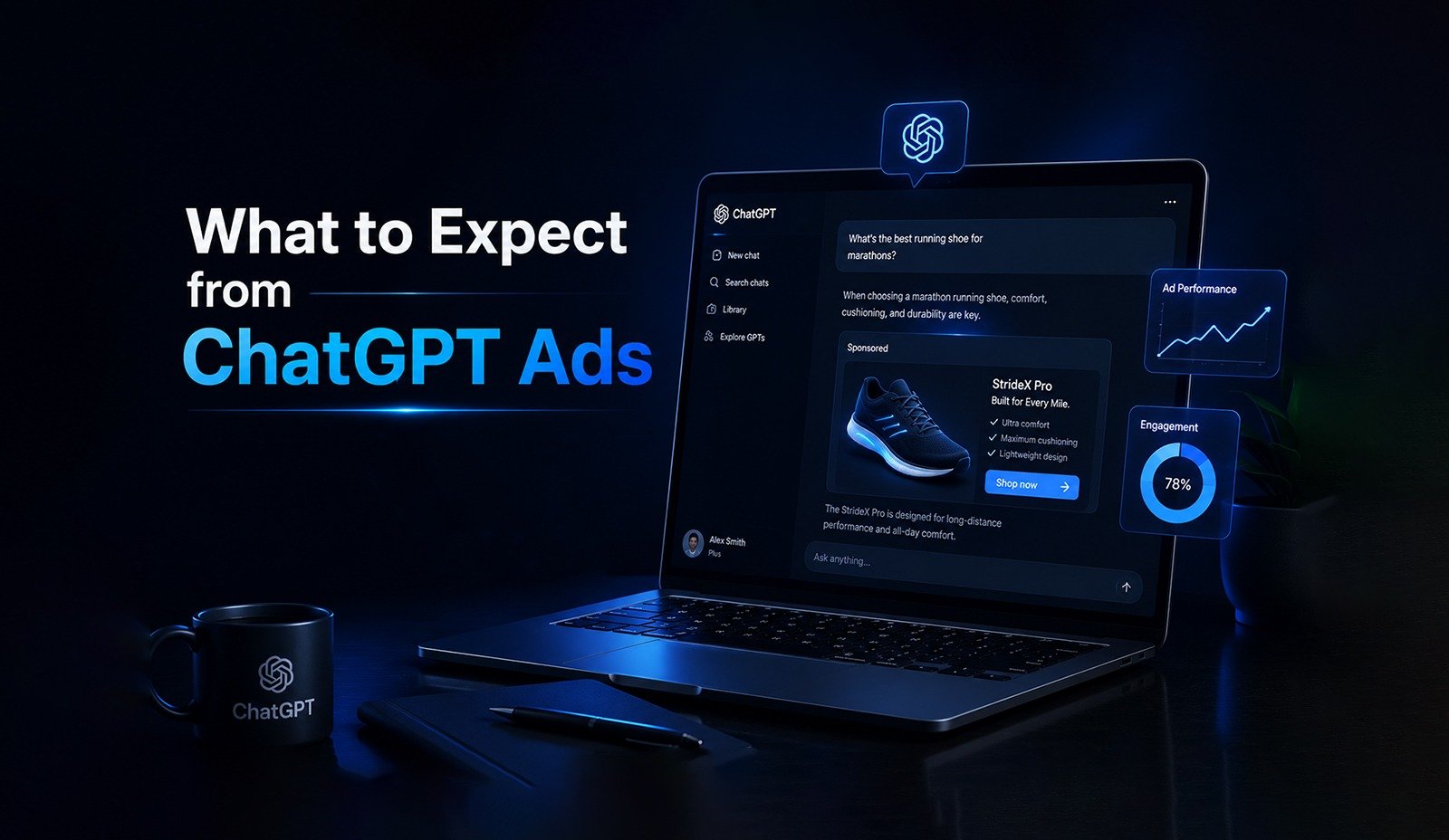
OpenAI has officially started testing ads inside ChatGPT through its new self-serve advertising platform. The system is still in the early rollout phase, but marketers already have a fair idea of how it works and what it could mean for digital advertising in the future.
Right now, the platform feels more like a controlled beta than a full public launch. Access is limited, several features are incomplete, and OpenAI is approving advertisers slowly.
Still, the current version already shows how the company plans to bring advertising into AI conversations without making the experience feel overly disruptive.
Who Can Use the Platform?
The ad platform is currently available through ads.openai.com, although access is still heavily restricted.
At the moment, OpenAI is mainly allowing businesses from selected countries, especially the United States, to join. India is not part of the rollout yet.
There are also strict account rules. Only verified business owners can create advertiser accounts during the onboarding process. Individual users cannot sign up, and agencies cannot create accounts directly for clients in the beginning.
Once an account gets approved, the business owner can later add employees or third-party advertisers to help manage campaigns.
Approval is not automatic either. OpenAI manually reviews applications before activating accounts, which suggests the company is still testing the platform carefully before expanding it further.
How the Ads Work
The campaign structure looks familiar to anyone who has used Google Ads or Meta Ads before.
Advertisers create campaigns, then ad groups, followed by ads and ad components. The setup itself is simple and easy to understand.
Each ad includes six required elements: the advertiser name, favicon, headline, description, landing page URL, and image creative.
The ads are intentionally small. Headlines are limited to 16 characters, while descriptions only allow 32 characters. That gives advertisers very little room to explain their message.
Because of those limits, the copy has to be direct and highly relevant to the conversation where the ad appears.
The image creative also works more like a small thumbnail than a traditional display banner.
Where the Ads Appear
Unlike Google search ads, ChatGPT ads appear at the bottom of conversations.
The platform relies heavily on contextual relevance instead of standard keyword targeting. OpenAI’s system analyzes the user’s conversation and compares it with the advertiser’s headline, description, landing page, and image.
If the system believes the ad matches the discussion naturally, it becomes eligible to show. This creates a very different advertising setup compared to traditional search platforms.
People inside ChatGPT are usually researching ideas, asking questions, solving problems, or exploring topics through conversation. They are not always typing direct purchase-focused searches the way they do on Google. Because of that, conversational intent matters more than keyword intent here.
The “Hint” Feature
One of the more interesting features inside the platform is the Hint option. This allows advertisers to give extra context to the AI about the types of conversations where they want their ads to appear.
For example, a productivity software company may want its ads shown during discussions around remote work, workflow management, or team collaboration, even if those exact phrases are not strongly present on the landing page itself.
The Hint field helps the system understand the intended context more clearly. Since conversations are usually broader and less predictable than search queries, this feature could become an important part of campaign optimization later.
Bulk Uploads and Campaign Management
OpenAI has also added CSV import support for advertisers already running campaigns on other platforms.
Businesses can export campaign data from Google or Meta and upload it directly into OpenAI Ads instead of rebuilding campaigns manually.
For agencies and brands testing multiple ad platforms, this can reduce setup time significantly.
Bidding and Campaign Goals
The platform currently supports two bidding models:
|
Strategy |
Pricing Model |
Estimated Cost |
|
CPC |
Pay per click |
Around $3 to $5 |
|
CPM |
Pay per 1,000 impressions |
Around $60 |
The platform also supports campaign objectives focused on clicks and reach. A conversion objective is listed as well, but it is currently greyed out, which strongly suggests OpenAI has not fully launched conversion optimization yet.
At this stage, the system appears more focused on visibility and traffic rather than deeper performance marketing tools.
Reporting and Tracking
The reporting dashboard currently provides standard advertising metrics like impressions, clicks, spend, CTR, average CPC, and average CPM.
Advertisers can also export data for outside analysis. For conversion tracking, OpenAI supports both JavaScript Pixel integration and Conversion API tracking.
While the reporting tools still feel minimal compared to larger ad platforms, the basic tracking foundation is already in place.
Advertising Restrictions
OpenAI has introduced strict advertising policies from the beginning. The platform currently bans ads related to politics, tobacco, alcohol, recreational drugs, betting, gambling, and sexual content.
Financial and legal services are also mostly restricted unless advertisers receive special approval directly from OpenAI through private deals.
The company is also enforcing strong content safety rules. Ads cannot contain offensive, abusive, obscene, or bullying language. These standards apply not just to the ads themselves but also to the destination landing pages.
Compared to many traditional ad platforms, OpenAI appears far more careful about moderation and brand safety.
Who Sees the Ads?
At the moment, ChatGPT ads are mainly shown to free users, lower-tier paid users, and logged-out users in supported regions.
Premium subscribers currently appear to have fewer ads or no ads at all. That approach makes sense because OpenAI likely wants to monetize free usage first while protecting the experience for higher-paying subscribers.
Final Thoughts
ChatGPT Ads are still early, limited, and incomplete. The platform clearly needs more time before it can stand alongside advertising systems like Google or Meta.
Still, one thing is already clear. OpenAI is building an advertising system around conversations instead of just searches and feeds. That changes how brands may approach targeting, messaging, and online visibility in the coming years.
For now, the platform remains experimental. But it already gives marketers an early look at how ads inside AI tools may work in the future.