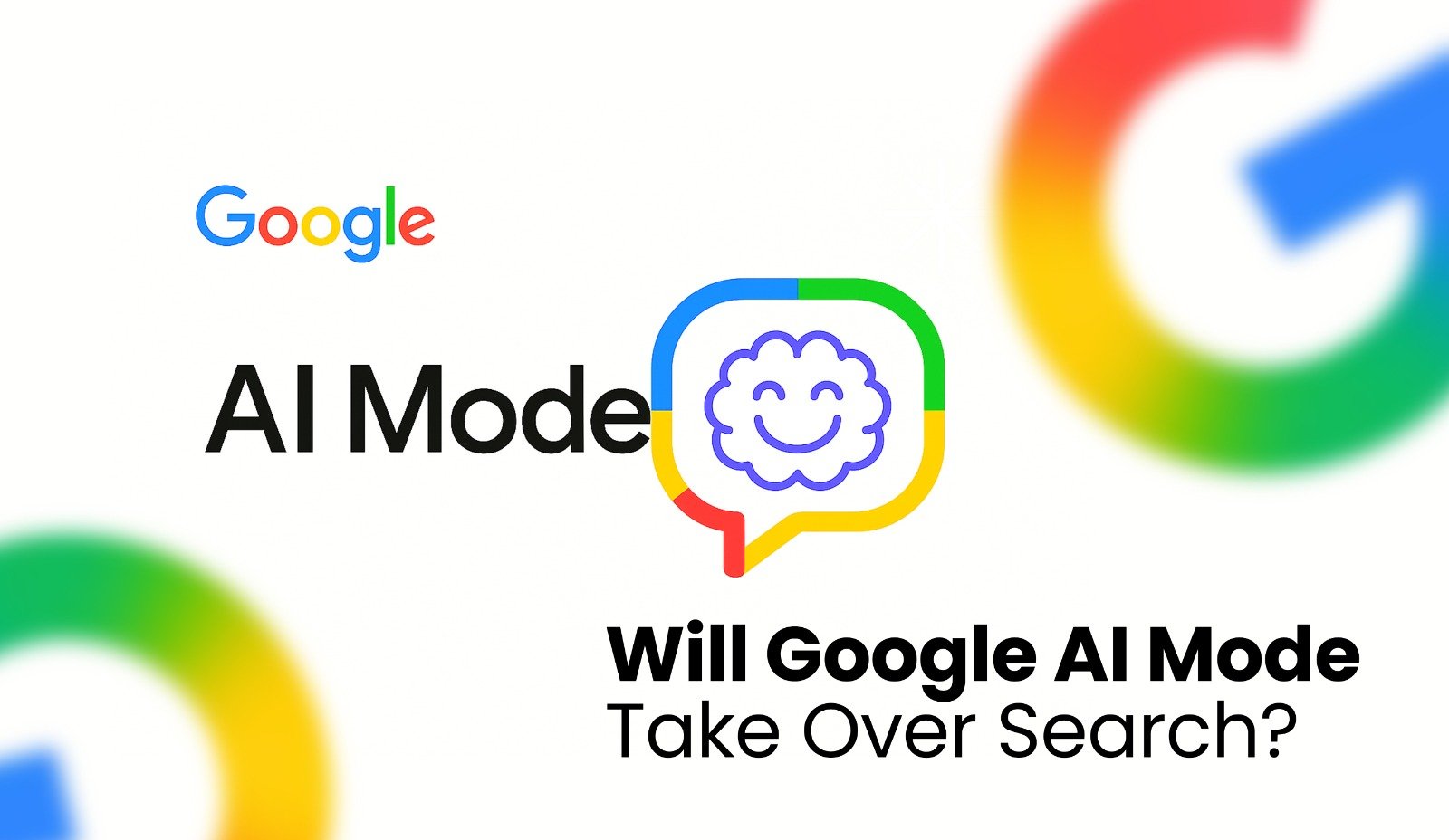
Google added AI mode India on SERP in mid-June 2025 and globally expanded in 180 countries in August 2025. AI Mode is our most powerful AI search, with more advanced reasoning and multimodality, and the ability to go deeper through follow-up questions and helpful links to the web. Using a custom version of Gemini 2.5 it lets you ask longer, more complex, or nuanced questions that would have previously required multiple searches.
What Google said. On Friday afternoon, Google’s Logan Kilpatrick replied to a post on X asking AI Mode to become the default Google Search experience, saying, “Soon”.
Here is the post:
And Google responds, as if it may or may not become the default.
What is Google AI mode?
AI search mode is also known as search generative experience or AI overview. The information we need is directly visible at the top. This can avoid multiple queries and multiple searches. It’s designed to handle advanced reasoning, math, and coding questions, making it a powerful tool for in-depth research and learning. The generated AI responses are not meant to replace the web. They are supported by high-quality web content, and the overviews include links to the sources used, allowing you to verify information and explore topics further easily.
AI Mode supports searching with text, voice, and images through its multimodal capabilities. Plus, AI Mode offers conversational follow-up questions like you’ve seen in AI Overviews and Gemini.
How does AI mode affect websites?
If Google is the default AI overview, it may affect some websites. Google will answer some queries directly in the overview. It would have a profound impact on websites, particularly in the realm of organic traffic.
Decline in Organic traffic:
AI generates the information in the top search results for some queries. The AI-generated summaries at the top of the search results page are designed to provide a comprehensive answer to a user's query without them needing to click on a single link. So it means zero clicks. This would reduce the visibility and click-through rate (CTR) for even top-ranking websites.
Keywords to topics and intent:
AI understands the intent behind the query better than traditional search. So content creation would need to shift from targeting specific keywords to building topical authority and providing comprehensive, well-structured content that answers a user's questions.
Optimizing for AI Readability:
To be featured in the AI overview, content needs to be easy for the AI to parse and understand. This means using clear headings, bullet points, numbered lists, and providing concise, direct answers to questions.
AI-Resistant Content:
AI models pull from existing sources; they cannot create new data. Websites that produce original studies, reports, or research would be more likely to be cited. AI can’t handle nuanced topics that require human-level analysis, judgment, and opinion.
Qualified Traffic and Conversions:
While overall traffic might decrease, the traffic that does come from AI-powered search might be of higher quality. Users who click through from an AI overview have often been "pre-qualified" by the information provided, meaning they are more engaged and closer to making a purchase or conversion. Some companies have reported decreased traffic numbers but increased revenue, indicating a shift from quantity to quality of traffic.
How to secure your website
To secure a spot in Google’s AI Overviews, don’t rely on a single trick. Instead, adopt a holistic approach that actively builds upon and refines your existing SEO best practices. Furthermore, since Google’s AI model prioritizes synthesizing the most credible, comprehensive, and well-structured content online, you should consistently optimize your content to meet those standards.
Master E-E-A-T :
This foundational principle drives AI search: the model actively prioritizes content from sources that clearly demonstrate high levels of Experience, Expertise, Authoritativeness, and Trustworthiness (E-E-A-T). In fact, Google’s AI doesn’t just scan for keywords, it evaluates credibility, so you must consistently showcase your authority and trustworthiness to stand out. Moreover, aligning your content with E-E-A-T isn’t optional; it’s essential for visibility in AI-driven results.
Experience:
Show that you have first-hand knowledge of the topic. This could be through personal anecdotes, case studies, or sharing unique insights that can only come from real-world application.
Expertise:
Establish your credentials and knowledge. This means having author bios with your qualifications, education, and professional experience.
Authoritativeness:
Build a reputation as a go-to source in your industry. This is a long-term strategy that involves acquiring high-quality backlinks from reputable websites, being cited by other experts, and securing mentions in media or industry publications.
Trustworthiness:
This is the most critical element. Your website needs to be secure (HTTPS), your content must be accurate and verifiable, and your business should be transparent. Link to credible sources, provide clear contact information, and ensure your site is free of misleading statements.
Structure the Content for AI readability:
Answer the Query Directly and Upfront:
Start your content by providing a clear, concise, and direct answer to the question in the first paragraph. Avoid long, winding introductions.
Use Question-Based Subheadings:
Organize your content with clear, descriptive headings that are phrased as questions. (e.g., "What is a [topic]?", "How does it work?"). This helps the AI identify and extract key information.
Use Scannable Formats:
Bullet points, numbered lists, tables, and short paragraphs are much easier for an AI to digest than large blocks of text.
Implement Structured Data
This is a powerful way to explicitly tell search engines what your content is about. Use schema types like FAQPage, HowTo, and Article to help the AI understand the structure and context of your content, making it more eligible for rich snippets and overviews.
Focus on Unique, High-Value Content:
Since the AI can’t invent new information. It actively synthesizes only what already exists online — which means you must create and publish content that stands out as uniquely valuable. In other words, if you want to be featured, don’t just repeat what’s already out there — go deeper, offer original insights, data, or perspectives.
Original content and data:
Publish the content with original research data and surveys. This is information that the AI can only get from you.
In-Depth Analysis:
Don’t be simple. Go beyond a simple definition. Provide a deeper, more nuanced analysis of a topic that demonstrates a high level of expertise.
Topical Authority:
Instead of creating a single article, create a cluster of interconnected content that covers a topic from every angle. This shows the AI that you are an authority on the subject.
Conclusion
As Google’s AI Mode continues to reshape the search landscape, websites must proactively adapt to maintain visibility and relevance. With the potential for AI Mode to become the default search experience, the focus shifts from traditional keyword optimization to creating authoritative, AI-readable, and user-centric content. By mastering E-E-A-T, structuring content for AI, and delivering unique value, businesses can secure a place in Google’s AI Overviews. In this AI-driven world, ensuring your website stands out requires strategic expertise. Partner with the best SEO companions like Medowa Global, India’s premier digital marketing agency, to navigate this evolving landscape and drive impactful results.